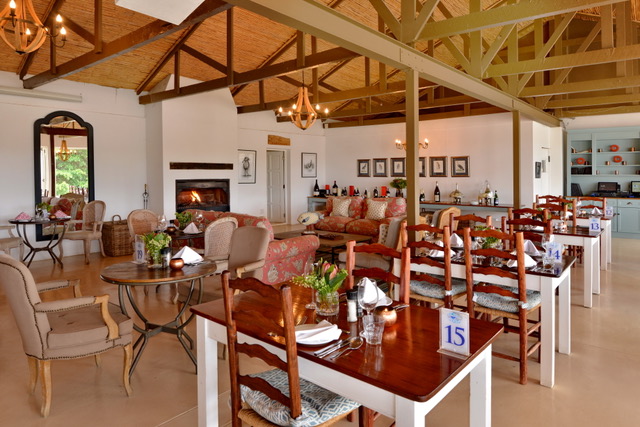
De Hoop Nature Reserve is a place where primal beauty meets pristine stillness. Sweeping sand dunes tumble into turquoise wates, framed by an untouched wilderness. The rich vlei hums with birdlife, while buck wander freely across the plains.
Set along the southern Cape coast, De Hoop offers solitude, natural splendour and extraordinary whale sightings – along with an astonishing diversity of plant life. At times, it feels as though you’re the only person on the planet. Yet it’s also a place that encourages meaningful time with your companions and a deeper connection with nature. Just four hours from Cape Town, it’s an effortless escape from everyday noise.
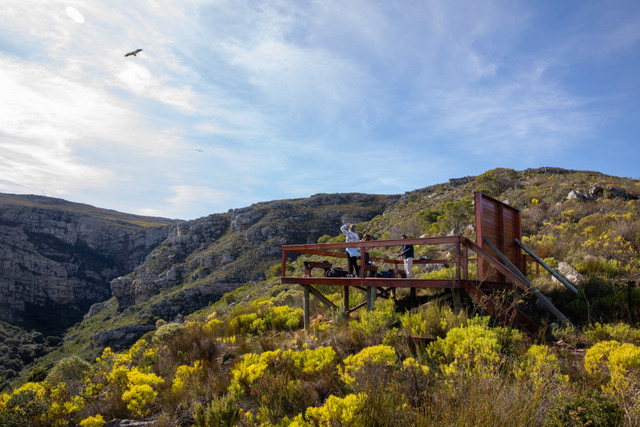
A protected marine and biodiversity reserve, De Hopp forms part of a UNESCO World Heritage Site and is home to around 1500 plant species, many of them fynbos. Its coastline offers some of the Cape’s best land-based whale watching. Southern right whales choose these calmer, nutrient-rich waters as a crucial calving ground.
Koppie Alleen is one of the best vantage points to spot them. From the crest of a dune, you can watch whales breaching just north of Cape Agulhas, where the Indian and Atlantic oceans converge. It also marks the end of the Whale Trail – a five-day coastal hike from Potberg through fynbos fields and dramatic ocean cliffs.
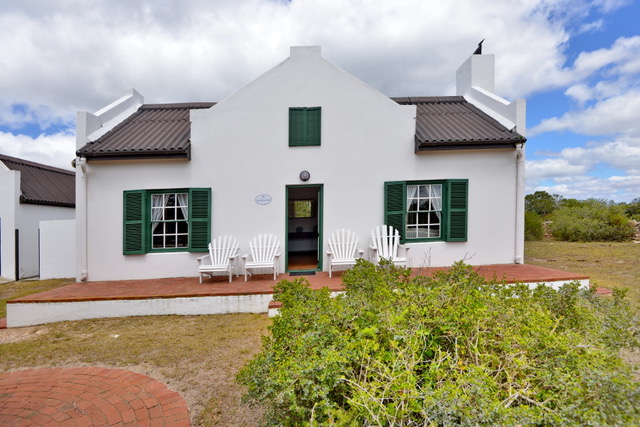
De Hoop is a haven for eco-tourism and outdoor exploration, from hiking and biking to birdwatching, snorkelling and guided marine walks. Opstal House, part of the De Hoop Collection (a member of Cape Country Routes), offers rustic charm with the Cape Dutch-inspired architecture. Its self-catering cottages and restored farmhouses share as similar layout but vary in size; thoughtful touches – like a table set with a bottle of wine – make the spaces feel instantly welcoming. The stoep is a favourite spot for an early-morning coffee.
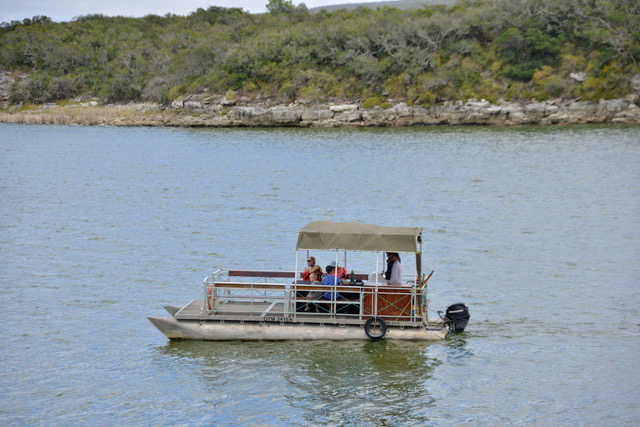
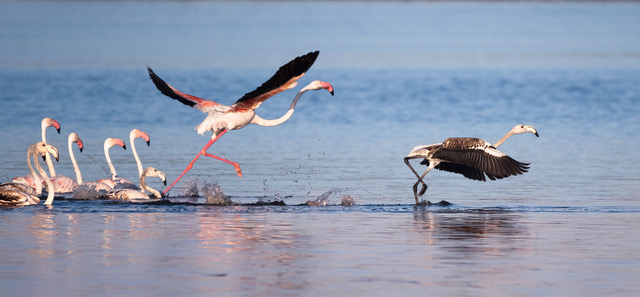
A highlight of the visit was a midmorning cruise on the vlei, a 19km Ramsar wetland and vital bird-breeding ground for roughly 260 species. Guide Dillon Visagie shared engaging insights as the boat passed the historic Melkkamer buildings on the share – one of them dating back to 1907, blending Neo-Cape, Edwardian and Art Nouveau influences. This is also one of the reserve’s more remove accommodation options.
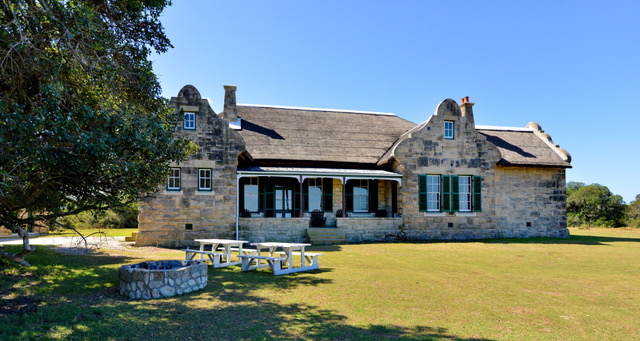
The boat passed the Melkkamer buildings on the shore, one dating back to 1907 with a mix of Neo-Cape, Edwardian and Art Nouveau styles – a more remote accommodation option.
Another standout is the Origins of Early Southern Sapiens Behaviour exhibition. Though many artefacts on are replicas (the originals are preserved for research), guide Albert Selo brings the story of human evolution vividly to life. Children can enjoy their own section, complete with puzzles exploring rock formations and ostrich eggs.
Across the reserve, guests commonly encounter zebra, bontebok, eland and ostriches. Beyond cooking in your cottage, you can dine at the Fig Tree Restaurant, which includes an inviting wine cellar with an impressive collection and tasty meals.
The land is overseen by CapeNature, with concessions operated by De Hoop Collection, Morokuru and, further along the coast, Lekkerwater. Accommodation ranges from self-catering and luxury stays to camping and caravanning, collectively hosting around 160 guests.
Winter attracts special events and seasonal discounts, including the annual Wine, Whales & Music Festival each July, featuring wine tastings and talks by whale experts.
The De Hoop Reserve spans roughly 55 000 hectares in total, with the nature reserve itself covering about 35 000 hectares.