Saudade is a word long associated with Lisbon. It captures the sensibility of a deep, bittersweet sense of longing, nostalgia and melancholy and touches through its history, fado music and even its luminous light.
Yet other threads have emerged over the past few years that are transforming the city. Lisbon is booming, with more tourists visiting than ever before. There’s a growing population of expats and digital nomads. New hotels have been opening up, from chic boutiques in historic buildings, to large modern offerings to accommodate the visitors.
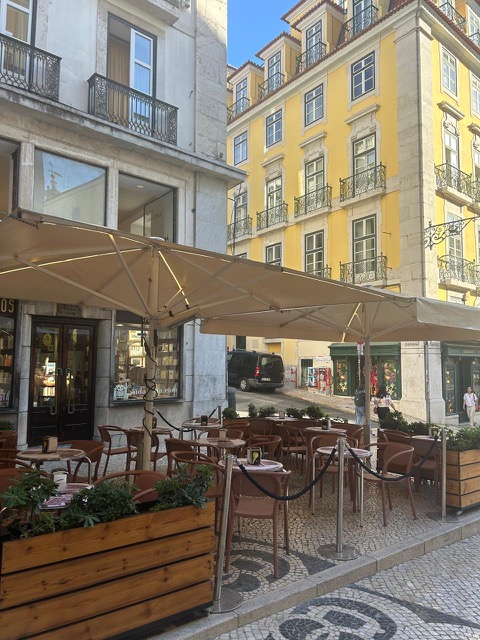
At its essence, Lisbon retains its old-world charm. Azulejos (ornate tiles) are painted on buildings across the. Beautiful old coffee shops are steeped with a legacy and history, cobbled and windy streets set the scene and, in some areas, trams clatter along. And of course, viewpoints allow for striking sights over the city, the miradouro. We stay in three hotels and neighbourhoods, to explore the city.
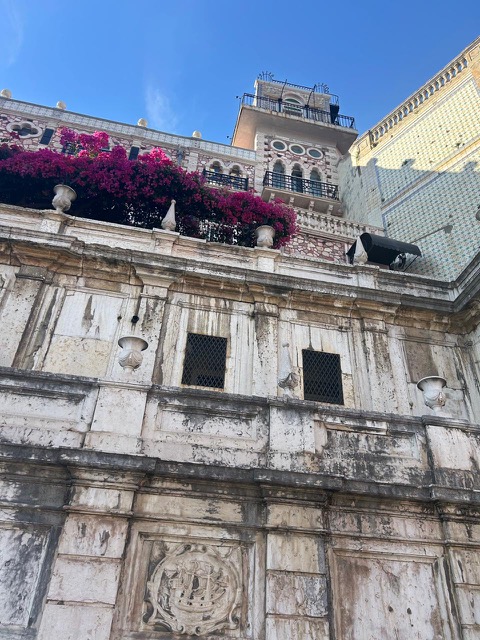
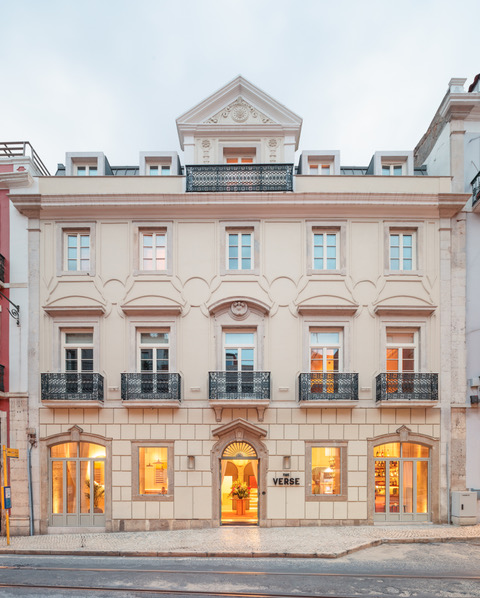
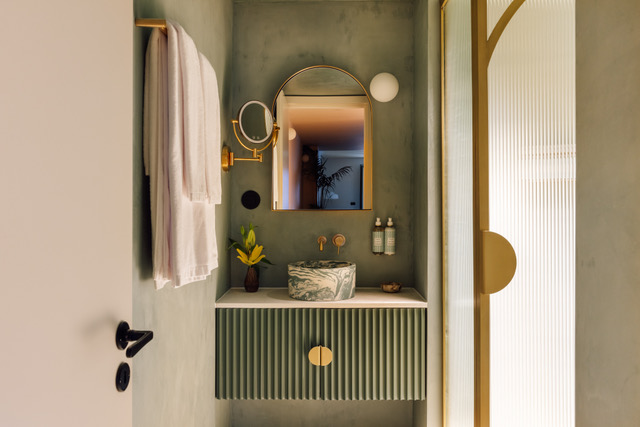
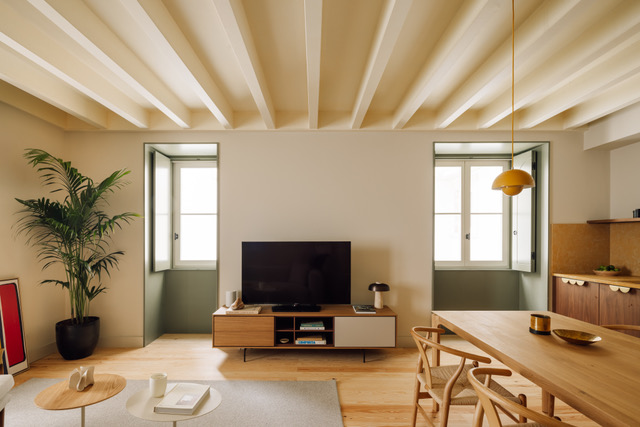
The Verse is a home-from-home aparthotel. With 15 stylish apartments it’s in a restored building on Rua de Sao Bento, a charming street lined with shops and cafes in the Estrela neighbourhood. It’s very much rooted in the local environment and is the kind of place where you walk out the door and feel as if you can experience Lisbon as a place you’re truly living in. Handcrafted pieces are found throughout the property from coloured countertops to handmade tiles – produced by Portuguese artists and artisans. The wine and produce are sourced from small local businesses in the area. Images of The Verse:
Rooms are airy and stylish. The hotel doesn’t have its own food offering because there are so many in walking distance in, and part of the stay includes breakfast at one of two restaurants. We went to Oh Sweet which was delightful and breakfast was beautifully presented.
The famous 28 tram stop right outside. Jump on and it passes through some of the most historic areas of the city, and in the process you see hip stores and boutiques. We stop at Chiado, a cultural and shopping hub with cafes and bookstores. Livraria Bertrand is the world’s oldest operating bookshop with many rooms and there is a dedicated English section. A hop over and you head into A Brasileiro (with its Art Nouveau interior) where we have a drink and try a pasteis de nata (one of many of the next few days from different restaurants).
The wide walkways and bustling street life make an engaging and enticing backdrop. Belle Epoque cafes, boutiques and galleries are found in 18th and 19thcentury buildings, so Chiado is compared to Paris’s Saint-Germain-des Pres.
There are cosmetic stores (which sell multinational brands) as well as local brands like Claus Porto, which dates back 139 years and is best known for its luxury soaps and fragrances, and in Chiado is in a refurbished historic pharmacy. Benamor, established in 1925, specializes in natural beauty products inspired by traditional recipes, can be found nearby in Principe Real.
A short stroll from Chiado and we head to Rua dos Correeiros (above a site that reveals over 2500 years of Lisbon’s history under one of its busiest sites). Then to Rua August, where people line restaurants and street musicians perform. We head to Confeitaria Nacional, one of Lisbon’s oldest and most famed pastry shops and for nearly two centuries the official royal confectioner, bustles with visitors.
For dinner one night while we stay at The Verse we head to Davvero, an Italian restaurant in the Amoreiras neighbourhood. The restaurant is named for being the real deal, “the real one” and it’s a premium classic Italian restaurant at the premium. Images of Davvero:
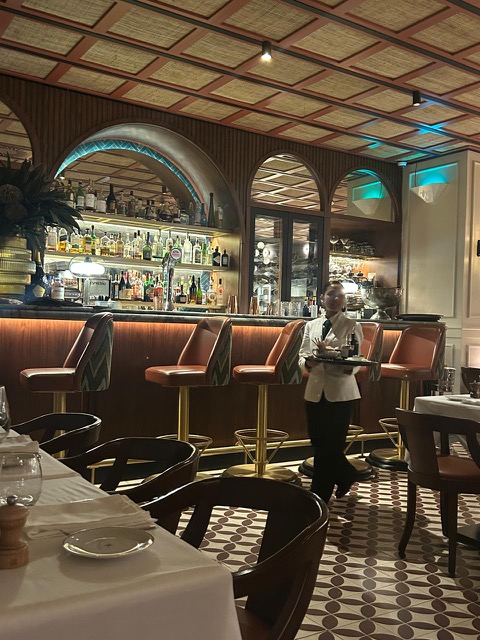
The interior blends elegance with a cosmopolitan edge and there’s a touch of a New York brasserie about it, with subtle French accents. At the helm is chef Isaac Kumi, an Italian-Ghanaian talent whose career includes years at the famed Cipriani group in New York, Abu Dhabi and most recently in Dubai. Here, he marries Italy’s devotion to Fresh, handmade pasta and bold flavours, with Portugal’s affinity for seafood and hearty stews.
The menu is rich in Italian classics – beef carpaccio with parmesan cream, whipped salt cod with crispy polenta, and a Venetian-inspired Baccala mantecato. The dish, typically made from poached and whipped salt cod, is reimagined here with Portuguese bacalhau and served with authentic Italian polenta. It’s the restaurant’s best-seller.
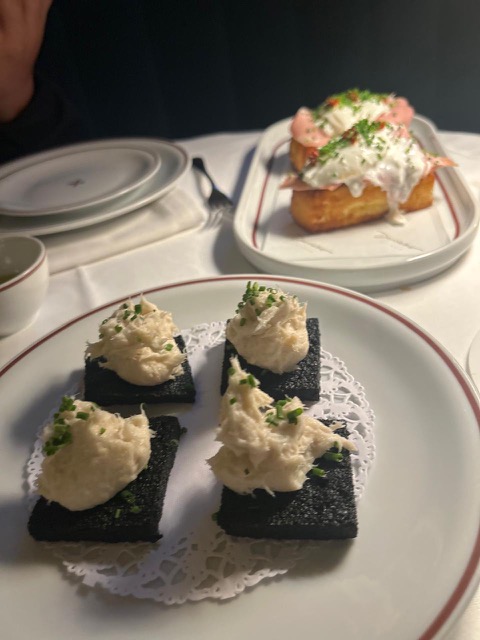
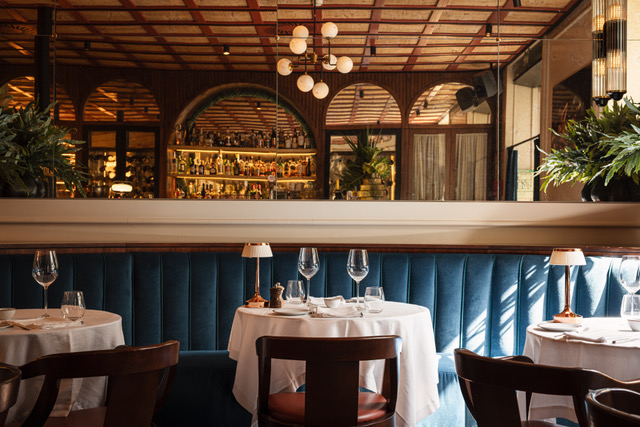
Favourites from the evening were spaghettoni cacio e pepe (a simple dish with pecorino cheese and black pepper) and sea bass with crisp skin and tender flesh. The burrata was exceptionally fresh, while the tiramisu had a lot more punch that the toned-down versions we’re used to back home.
A visit to Lisbon has to include a visit to at least one artisanal gourmet sardine shop. Tins are beautifully packaged, each store has a different theme, and the tins pay homage to Portugal’s culinary traditions, as seafood, especially sardines, have been part of the Portuguese diet for centuries. Some of the packaging is nostalgic, others retro. Near Rossio Square is O Mundo Fantástico da Sardinha Portuguesa and another is the Fantastic world of the Portuguese sardine.
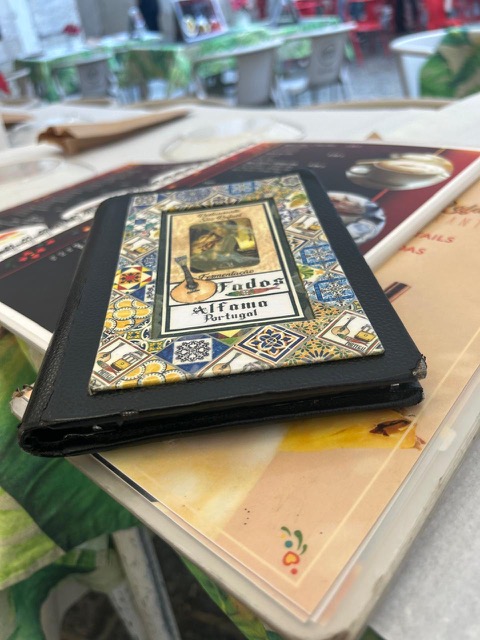
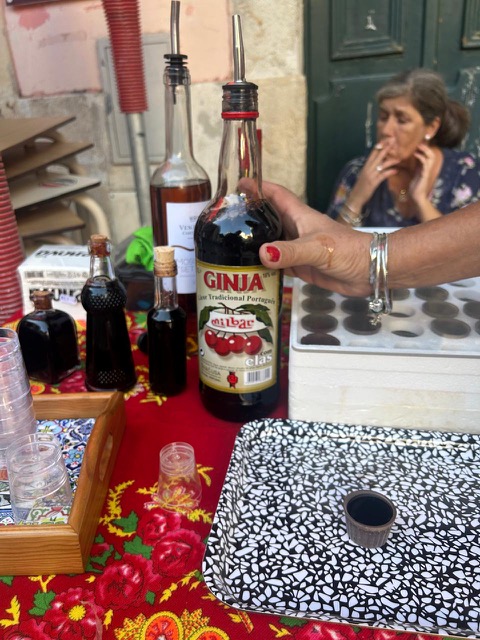
The Alfama district is the city’s oldest district and one you’ll want to return to time and time again, between São Jorge Castle and the Tagus River. Cobbled streets on inclines exude medieval charm, and some restaurants host Fado nights, where singers sing soulfully and captivate those passing by or sitting down. An intriguing element is the sale of ginjinha, a traditional Portuguese liqueur made from sour cherries and infused in alcohol with sugar and cinnamon, served in thumbnail chocolate cups, for €1.50 often by older women who seem to pop out from little nooks and crannies.
Bairro Alto is not far and comes alive at night with bars and restaurants. While Avenue da Liberdade is a boulevard moulded on the Champs Elysee, in the middle are street vendors with stalls, yielding a more price accessible experience than expensive brands. Principe Real feels less of a tourist destination. with independent and elegant streets and has more flair.
Lisbon is a great place for day trips. Sintra with its palaces and aristocratic history is very popular and 30 to 40 minutes away. We visit the seaside town of Cascais where there is a thriving fresh produce and flowers market that attracts locals and visitors. We pop into Famed Santini Ice cream, delighting in fig and apple flavours.
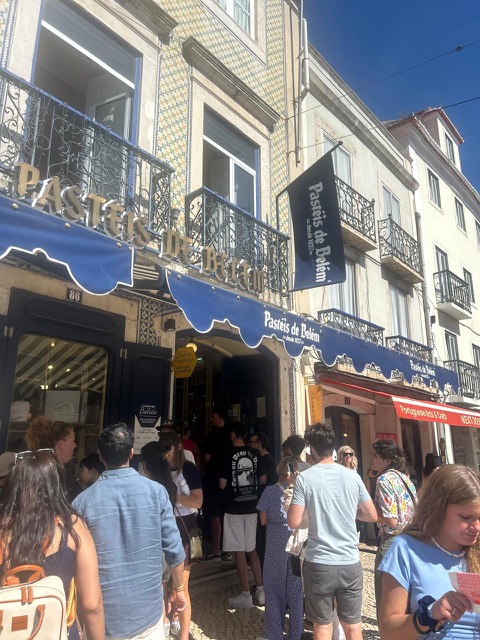
Belem is home to UNESCO-listed Jerónimos Monastery and Belem Tower (which is being restored and will open this year). The main area is a bit of a tourist catchment area with overpriced restaurants but Pasteis de Belem – considered the birthplace of pasteis de nata- is certainly well worth the visit (and of course time for another pasteis de nata). Its packed with visitors and tourists, there’s barely space to move and it’s said to sell 20 000 custard tarts a day during peak season.
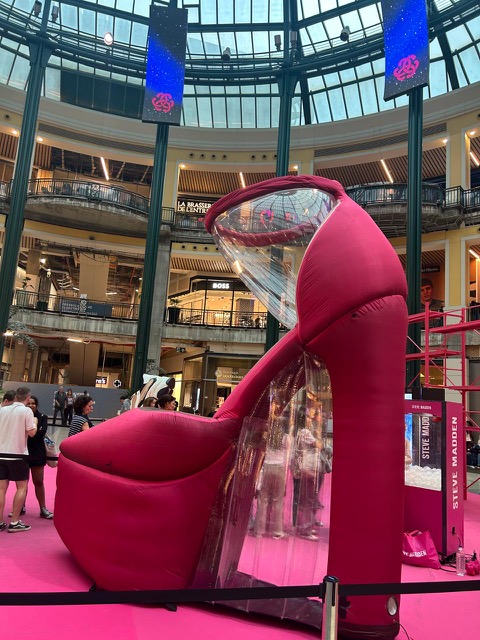
Not all shopping is steeped in tradition, far from it. Colombo Shopping Centre is one of Portugal’s largest malls with more than 340 stores and its Age of Discovery-inspired design features open spaces and vaulted ceilings. Time Out Market at Cais do Sodre is an innovative take that became so popular that it spawned similar markets around the world, including in Cape Town. It’s a traditional market but stalls are carefully chosen to provide an overview that encapsulates a sense of Lisbon.
Part of the appeal of the city is that it’s not too hard to get around, from the metro with four colour-coded lines to buses, trains and tuk-tuks. Uber and Bolt are affordable for South Africans, so it’s not a disaster if one stays in one area and wants to head somewhere else.
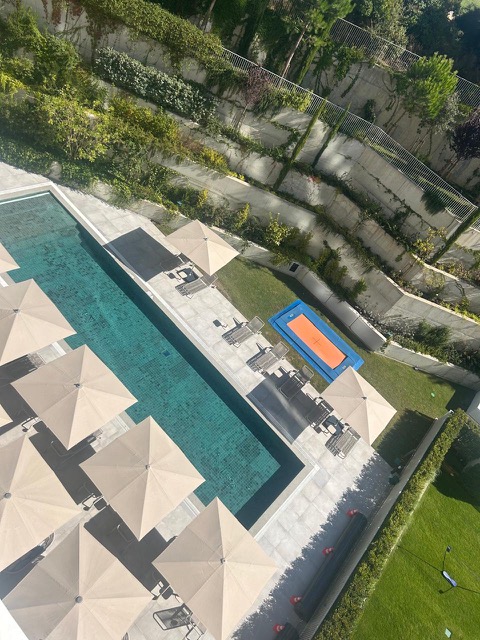
Martinhal Orient Lisbon in Parque das Nações, a modern district developed after the 1998 World Expo, is a different experience and neighbourhood. It has tech-savvy rooms and indoor and outdoor pools. So on a hot summers day it’s a great space to kick back and slow down and about serving the corporate as well as the family market. So you’ll find kids clubs with board games, pool table, PlayStation 5 and computers, a trampoline and suites that are artfully kitted out for long stays It’s also nearby the Lisbon Oceanarium. Dinner at The Terrace was delightful with lovely waiters and fresh, tasty food. Images of Martinhal Orient:
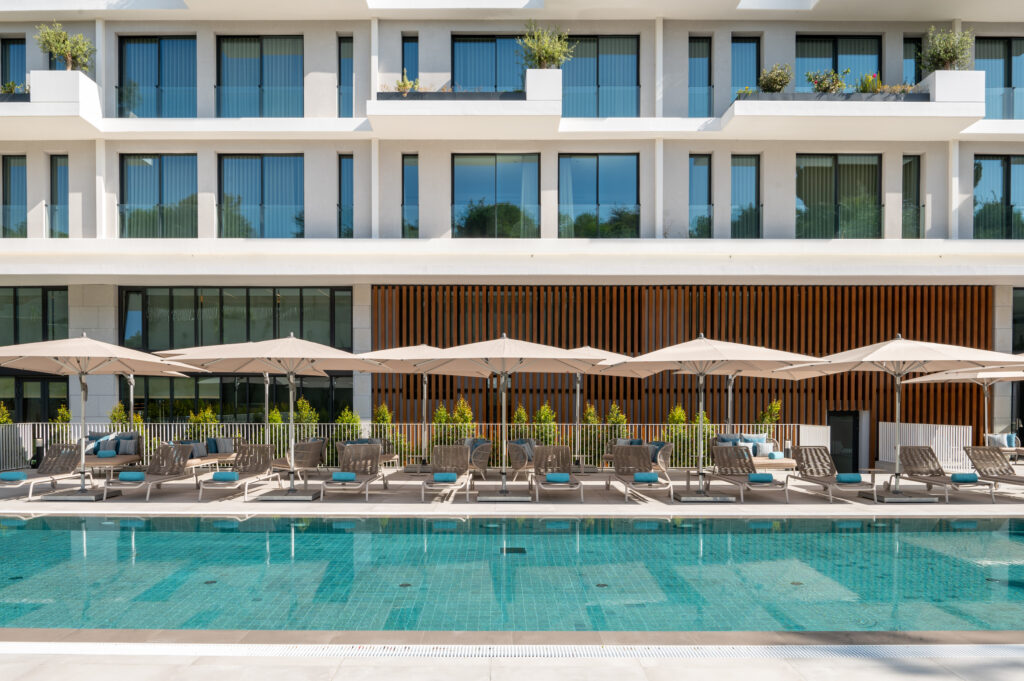
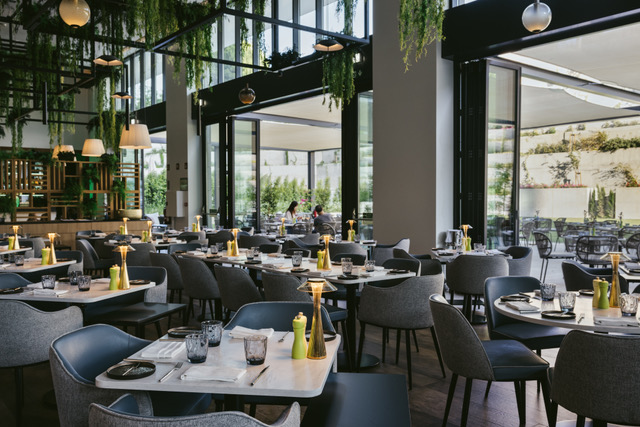
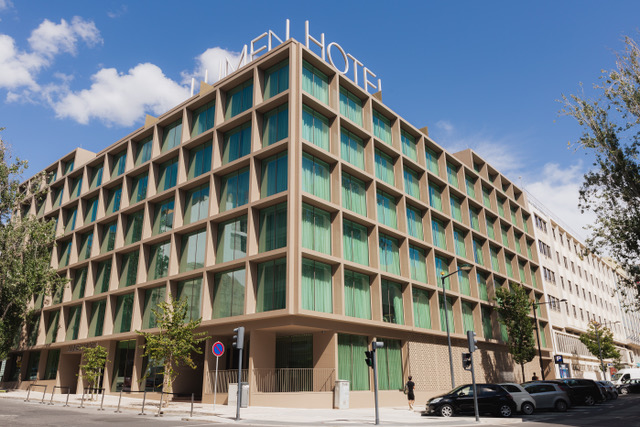
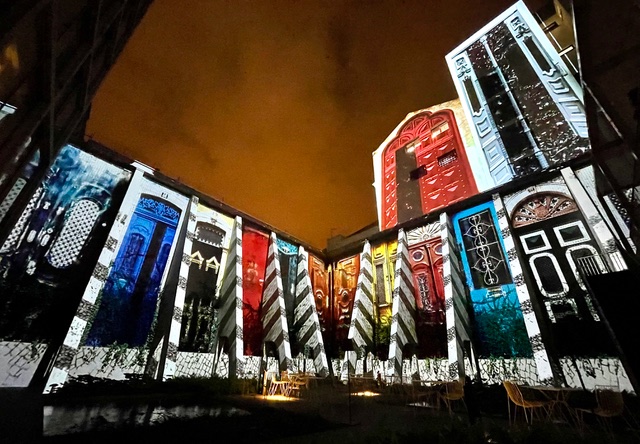
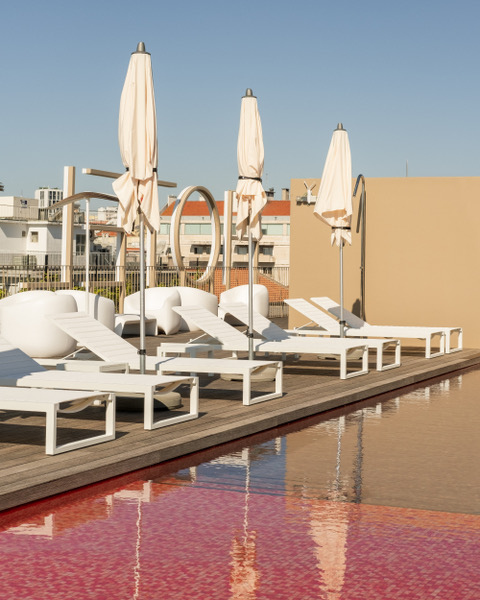
The Lumen Hotel was our third stay and has a popular rooftop pool and bar with sweeping views. Its “Lisbon Light Show” has visuals and music that narrates the city’s history. It lasts less than 10 minutes and is a good blend of spectacle mixed with storytelling. The hotel is in the Avenidas Novas area, close to public transport (Picoas metro/bus) so it’s away from heavy tourism and closer to a sense of commercial feel of the city. Images of the Lumen Hotel: